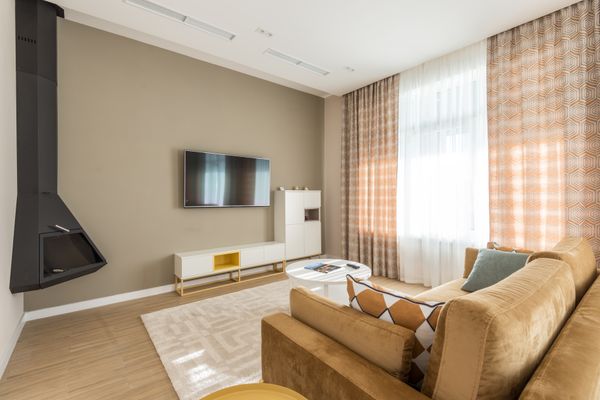
Pre-war NYC walls are often lath and plaster. Here’s what to consider before mounting a TV and when to call a pro.
Mounting a TV in a modern drywall apartment is different from mounting one on the lath-and-plaster walls found in many pre-war NYC buildings. The wall construction, framing and fastener choice matter, and the anchors supplied with a mount may not be appropriate for every wall.
Why Pre-War Walls Are Different
Many pre-war walls use thin wood lath covered by plaster. They can be hard and brittle, and locating framing may be less straightforward than on modern drywall. Do not assume a plastic drywall anchor is suitable for a heavy TV.
The Right Hardware
Option 1: Structural framing
When the mount location and wall construction allow it, fastening to verified structural framing is often the preferred approach. Confirm what is actually behind the wall rather than relying on a single stud-finder reading.
Option 2: Rated anchors for the actual wall assembly
If framing does not line up, the right solution depends on the wall assembly, mount, TV weight and anchor manufacturer’s rating. Heavy-duty toggles can be appropriate in some hollow-wall assemblies, but the load rating and installation requirements must match the real wall.
The Process
- Confirm wall construction and locate framing, utilities and other hidden obstacles before drilling.
- Use fasteners specifically rated for the wall assembly and the expected load.
- Use a level and a second person for large or heavy TVs.
- For cable routing, follow electrical and fire-safety requirements; use a surface raceway when in-wall routing is not appropriate.
A large TV can cause property damage or injury if the wall or fasteners are misidentified. If you are not confident about the wall construction, mount rating or cable route, stop and have the installation scoped by a qualified professional.
Want help with the mounting scope?
Send photos and the job details or call (347) 464-9717. We’ll clarify the wall type, mount and access details before scheduling, and flag any work that belongs with a licensed trade.